Seminar on Advanced Training Programs of BITAC
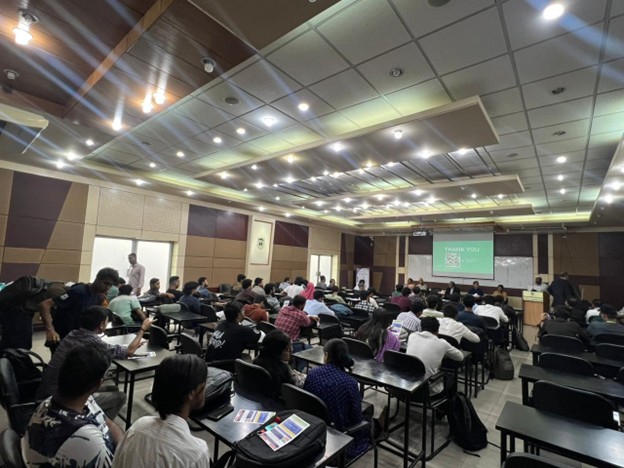
The Institutional Quality Assurance Cell (IQAC) of Ahsanullah University of Science and Technology (AUST) successfully organized a seminar on Advanced Training Programs of BITAC at the VC Seminar Room, Level-4, Block-D, AUST. The seminar was held on Tuesday, March 03, 2026, from 02:00 p.m. to 03:30 p.m.
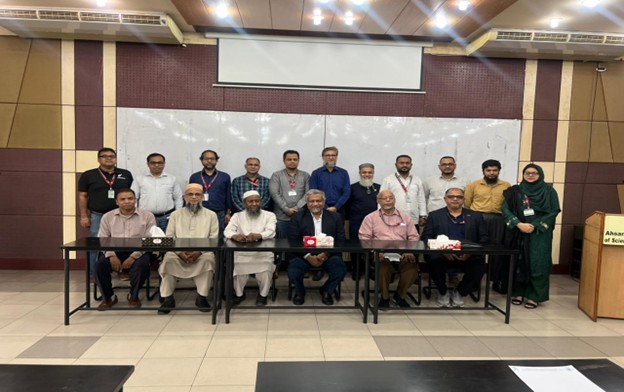
The seminar was graced by the honorable Vice-Chancellor of AUST, Prof. Dr. Md. Ashraful Hoque, whose presence added great value to the program. The event was also attended by the Deans of various faculties, Heads of Departments and Schools, Directors, respected faculty members, and a large number of enthusiastic students.
BITAC Representatives Who Participated in the Seminar:
- Mr. Md. Fazlul Karim
Director (Engineering & Production), BITAC - Mr. Pabitra Kumar Kabiraj
Director (Planning) & Program Director, CCP, BITAC - Mr. Arif Ahmed
Assistant Engineer (Research & Development Department), Dhaka - Dr. Md. Jalal Uddin
Former Director (Planning) & Former Program Director, CCP, BITAC - Mr. Azmal Hossain Azad
Job Placement Officer, CCP, BITAC
The program commenced with an engaging and interactive ice-breaking session conducted by Dr. Fakir Sharif Hossain, Additional Director, IQAC, AUST. This session helped create a friendly and participatory environment among the attendees. The formal session began with a warm and inspiring welcome address by Prof. Dr. Mohammad Sarwar Morshed, Director, IQAC, AUST, who highlighted the importance of collaboration between academia and industry for developing a skilled workforce.
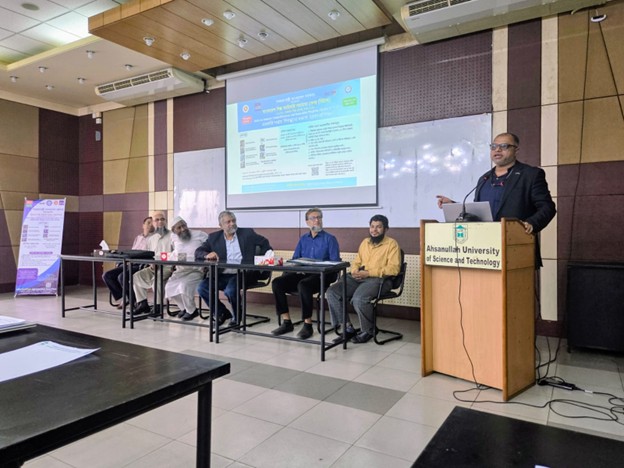
In their keynote discussion, the representatives of BITAC elaborated on the organization’s long-standing contribution to human resource development in Bangladesh. They mentioned that since its establishment in 1964, the Bangladesh Industrial Technical Assistance Center (BITAC) has been a pioneering force in enhancing the nation’s workforce’s technical capabilities. Through a wide range of training programs of varying durations, BITAC has been actively involved in upskilling and reskilling graduates from both technical and non-technical educational backgrounds, as well as professionals currently employed in different industrial sectors.
The speakers further emphasized the importance of practical and industry-oriented training. They explained that BITAC provides hands-on, demand-driven training to students from TTC/Vocational institutions, Polytechnic Institutes, and Engineering and Technology Universities. These training programs are carefully designed to meet the evolving needs of modern industries, ensuring participants acquire relevant, applicable skills.
Additionally, BITAC has taken significant initiatives to strengthen instructors’ capacity by offering customized training programs in various technical trades for teachers at TTC/Vocational and Polytechnic institutions. This initiative aims to improve the quality of technical education by equipping instructors with updated knowledge and practical expertise.
A major highlight of the seminar was the discussion on the Skills for Industry Competitiveness and Innovation Program (SICIP). Under this program, BITAC is currently offering free training opportunities to learners. The representatives explained that this initiative not only provides high-quality technical training but also helps participants secure employment after completing it. This effort plays a crucial role in reducing unemployment and fostering sustainable industrial growth in the country.
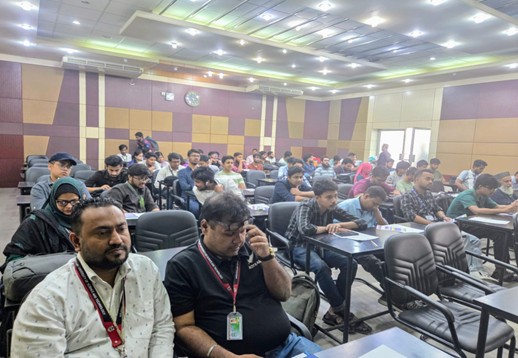
The seminar also provided an excellent platform for interaction between students and industry professionals. Participants actively engaged in discussions, asked questions, and shared their perspectives on skill development and career opportunities in the industrial sector. The interactive nature of the seminar made it both informative and inspiring for all attendees.
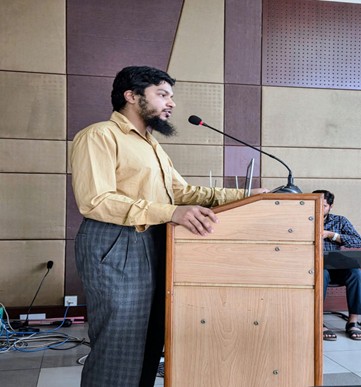
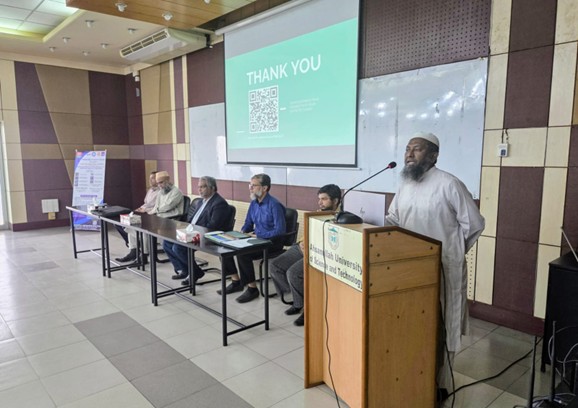
The event concluded with thoughtful and encouraging closing remarks by Prof. Dr. Mohammad Sarwar Morshed, who expressed his gratitude to the BITAC representatives and all participants for making the seminar a success. He also emphasized the importance of continuing such collaborative initiatives in the future.
Overall, the seminar was highly successful and impactful, marked by active participation, insightful discussions, and a shared commitment to advancing technical education and industrial skills development in Bangladesh.